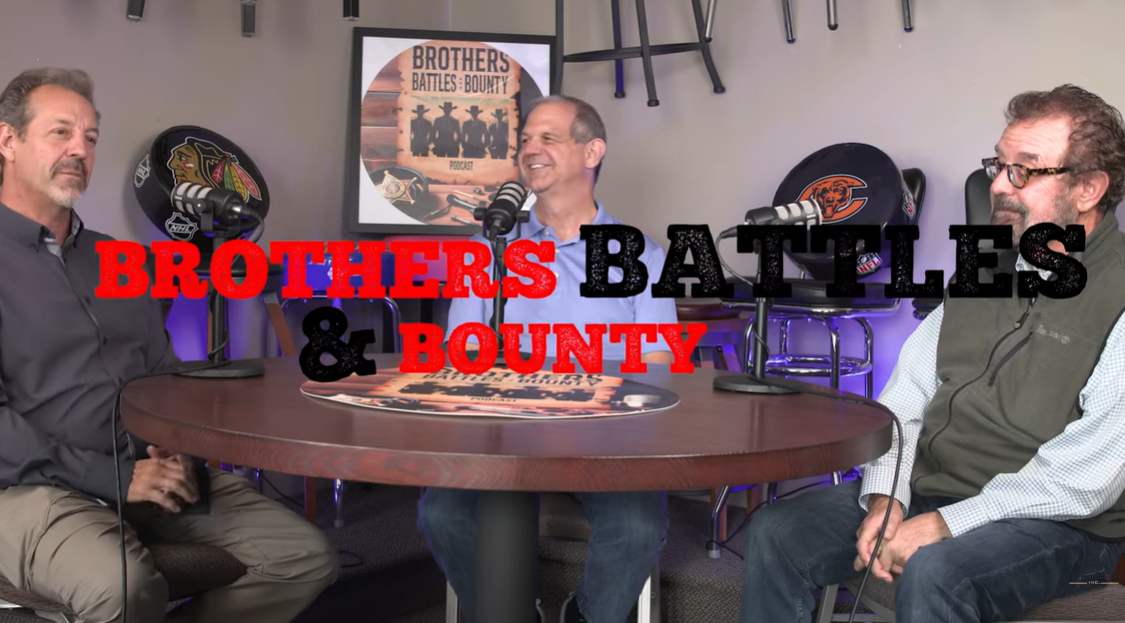
In the latest episode of Brothers, Battles, and Bounty, hosts Andreas, Martin, and Stefan Gfesser explore the inner workings of a family-run business, blending personal stories with professional insights drawn from their experience guiding Trendler’s growth and success. The episode shines a light on how family, trust, and strategic planning intersect to build a thriving enterprise.
You can watch the full Brothers, Battles, and Bounty episode here: Season 2 Episode 1
Family First: Building a Business on Trust
The discussion opens with the Gfesser brothers reflecting on the roots of their company under their father, Anton. Anton ran the business like a true family enterprise, emphasizing trust above all. “He looked at it as—he’s the father, and he’s creating this business to provide a living for himself… and to provide a living for his sons,” Stefan explains. Andreas adds, “A lot of people let him down throughout his life, so he figured he could trust and work with his family more than anyone else.”
While this approach nurtured loyalty, it eventually evolved as the company grew. To accommodate expansion, the brothers recognized the need to bring in outside professionals and managers. “We tried to find people that had that internal drive of, ‘Yes, this isn’t my company, but I treat it like it’s my own company,’” Andreas shares. “Getting them to feel like they’re part of the family—we are family, but more importantly, the company is the family that we’re representing,” adds Stefan.
Defining Roles and Playing to Strengths
A central theme of the episode is how each brother gravitated toward roles that aligned with their natural talents. Stefan, focused on sales and marketing: “I fell in love with sales and the whole process of human relations… Getting leads, getting prospects—it’s always been a passion of mine.”
Martin, gravitated toward operations: “I wanted to be out in the plant. I wanted to be running a machine, scheduling… Forecasting, buying—it just intrigued me.” He recounts early experiences in the tool room: “Dad put me there for a summer, and I learned so much from people like Lee Ball, Maddie Rosabello, and Juan Perez… They taught me everything I know today.”
Andreas, embraced administrative, financial, and organizational functions. “Ever since I can remember, I’ve been super organized… It was a natural fit to focus on business, finance, and organizational development,” he explains.
Together, their complementary skills created a balanced leadership team where each member could thrive in their niche. “There are three main disciplines in the business: sales, operations, and finance. We kind of fit in pretty smooth,” Andreas notes.
Lessons from Mentors and Early Experiences
The Gfesser brothers share heartfelt stories of mentorship and early lessons learned in the plant that motivated them and helped them better understand how their individual strengths could be used to ensure the growth and sustained success of Trendler. Martin recounts summers spent learning every aspect of manufacturing, while Stefan recalls how his father instilled a “fighter spirit” early on. “As I grew up, I realized I had a love for sales and marketing and the analogy between a business and warfare… Family was like my clan or tribe,” he says.
Stefan, emphasizes the impact of mentorship outside the family: “Ken Rank, a Dale Carnegie coach, took me under his wing… That completely changed my life. I fell in love with the process of sales and human relations.”
The Importance of Trust Beyond Family
Trust, the brothers emphasize, extends far beyond just the family circle, it is critical in relationships with employees, vendors, and professional service providers. Without it, even the most talented teams can falter. They share a memorable anecdote about a professional accounting firm whose advice to simply cut salaries to boost profits was a wake-up call. “We were just like, ‘This company doesn’t… we can’t trust this,’” Andreas recalls. That moment underscored the importance of working with partners who genuinely have the company’s best interests at heart.
From that point forward, the brothers became highly selective about whom they brought on board, carefully vetting vendors, consultants, and service providers to ensure alignment with their values and long-term goals. Trust, they realized, was not just a nice-to-have feature of doing business, it was essential for sustainable growth and for creating a team that could confidently execute the company’s vision.
Strategic Oversight and Long-Term Planning
Anton’s ongoing role as chairman of the board demonstrates how strategic oversight can guide a family business from operational management to long-term vision. “Having had the discussion, it’s pretty apparent why and how… Anton’s oversight has developed naturally to now function in strategic planning and seeing how all the functions integrate,” Stefan says. His leadership ensures that sales, operations, and finance all work in harmony, providing clarity and stability for the company’s growth. Andreas adds, “The board minutes, the strategic planning, the documentation—it’s a resource for us that’s invaluable.”
Over the years, Anton has built a detailed record of board meetings, strategic decisions, and performance reviews, creating a framework that the brothers can rely on as they make critical decisions. This combination of careful documentation and visionary oversight has been a cornerstone of Trendler’s success, allowing the company to scale confidently while staying true to its core values.
The Importance of Trust and Understanding Strengths
From their stories and insights, the brothers highlight essential lessons for running a successful family business. These takeaways emphasize the importance of trust, leveraging individual strengths, learning from mentors, embracing adaptability, and maintaining strategic oversight, all critical elements that have helped Trendler grow and thrive.
- Trust is the foundation: Both within the family and with external partners, trust drives performance and alignment.
- Play to strengths: Assigning roles according to natural talents and passions fosters efficiency and satisfaction.
- Mentorship matters: Learning from experienced professionals shapes skills, mindset, and leadership style.
- Adaptability ensures growth: Transitioning from a family-focused structure to a more corporate approach allows for expansion without losing core values.
- Strategic oversight strengthens sustainability: Long-term planning, detailed record-keeping, and thoughtful governance maintain alignment and organizational health.
This episode of Brothers, Battles, and Bounty offers an insightful look into the unique challenges and rewards of running a family business. From fostering trust to defining roles, the brothers demonstrate how dedication, complementary skills, and strategic evolution can drive both family and business success.
You can watch the full episode here:
To keep up with the latest Brothers, Battles, and Bounty podcast episodes, check out the Trendler YouTube channel: https://www.youtube.com/@TrendlerInc.